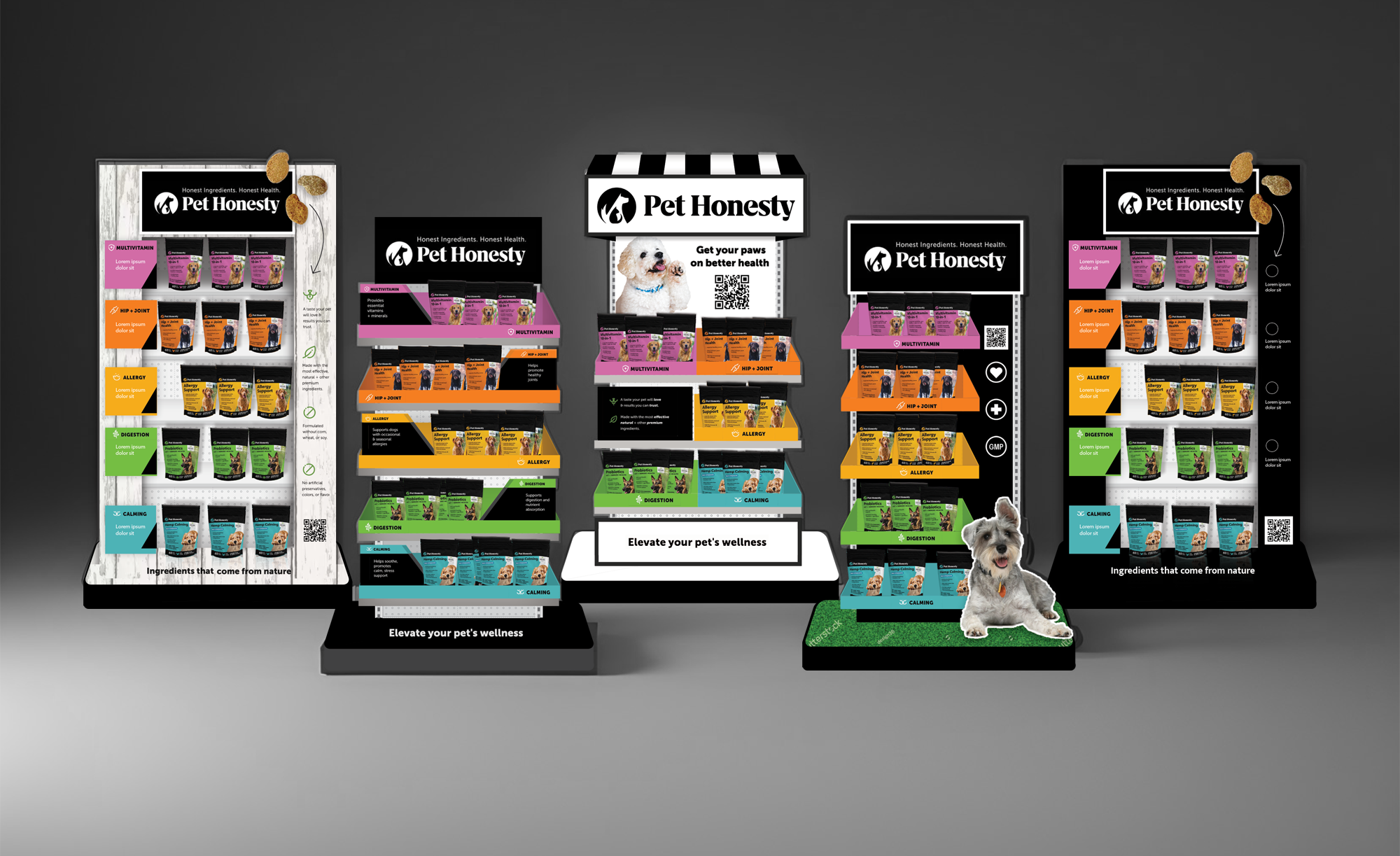
After my time in experiential and environmental design, I stepped into the world of retail at InStore Design Display. It was here that I learned one of the most important lessons of my career: design doesn’t just communicate a brand. It drives behavior.
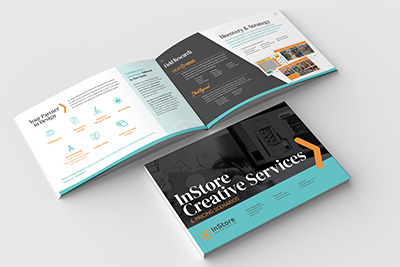
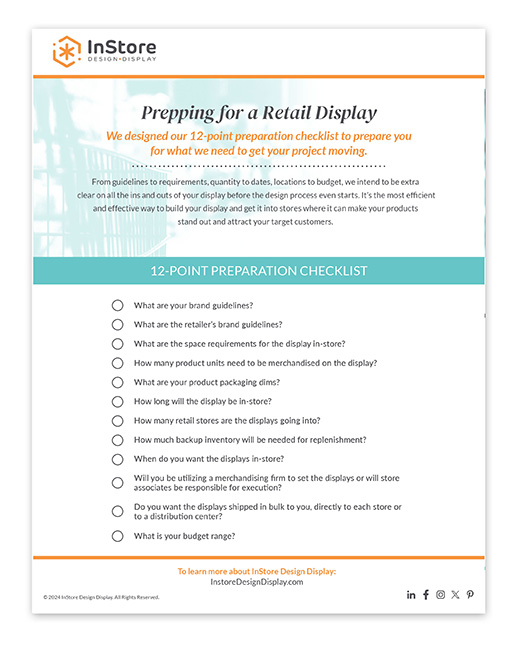
As Creative Director, I worked with consumer packaged goods (CPG) brands to develop retail displays that would stand out in highly competitive environments. These were not just creative exercises. Every decision was tied to sales, conversion, and performance in-store.
Retail is its own ecosystem. You are designing within strict retailer guidelines, manufacturing constraints, and tight timelines. You are balancing the goals of brand teams, category managers, and retailers like Walmart, Target, and others. And you are competing for attention in a space where shoppers make decisions in seconds.
What fascinated me most was the psychology behind it. The best retail environments are not just visually appealing. They guide behavior. They make the path to purchase easier, clearer, and more intuitive. They remove friction.
This experience reshaped how I think about design. It taught me that clarity beats complexity. It reinforced that the most successful work is not always the most creative on the surface. It is the work that performs.
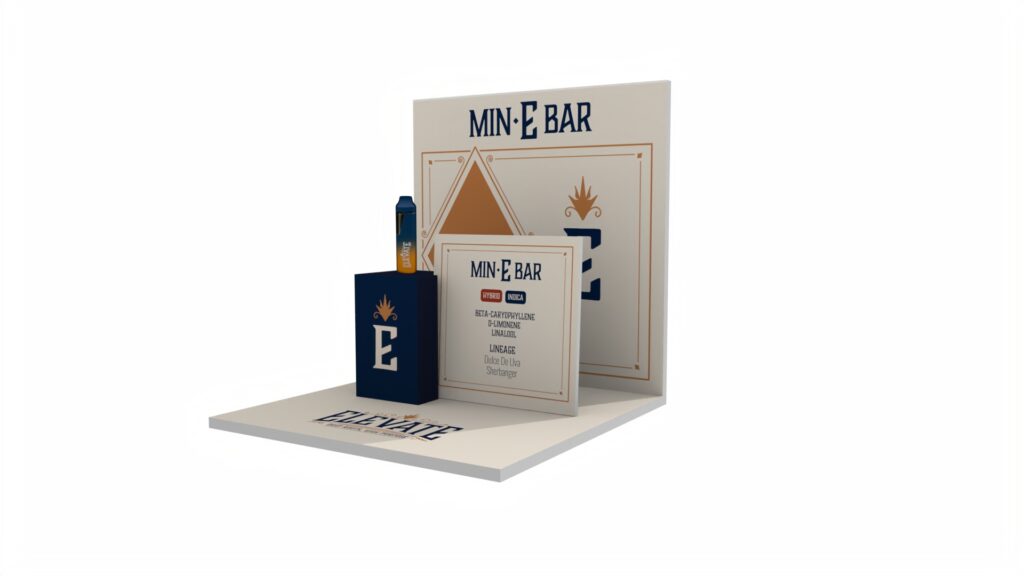
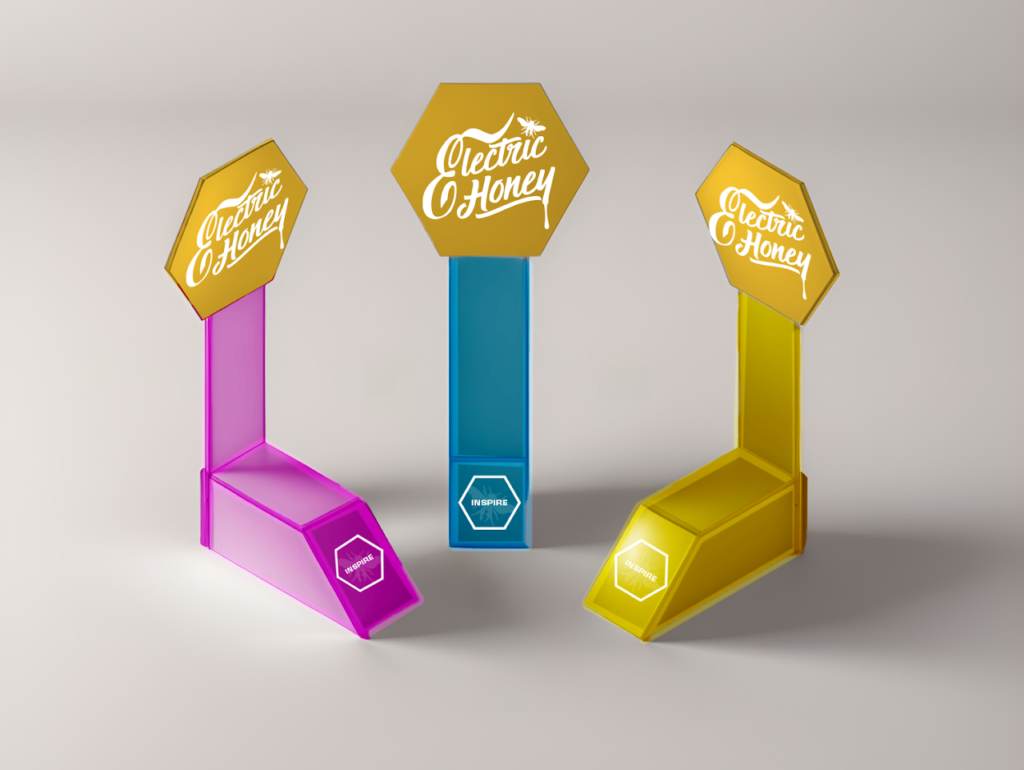
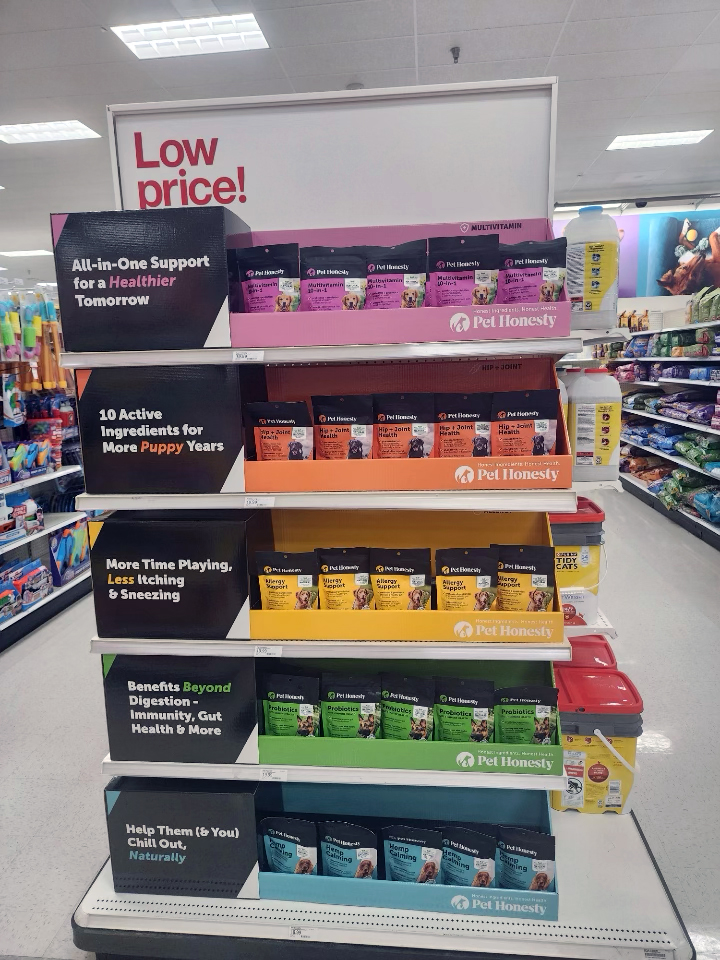
At InStore Design Display, I led cross-functional collaboration between design, engineering, and production teams. We worked from concept through prototyping, testing, and final execution. This process required a deep understanding of materials, feasibility, cost, and scalability. It also reinforced the importance of communication and alignment across disciplines.
One of the biggest challenges in retail is balancing vision with reality. A beautiful concept means nothing if it cannot be manufactured, shipped, and assembled in thousands of stores. This mindset continues to influence how I approach every project today.
This chapter also strengthened my ability to translate brand strategy into tangible, real-world experiences. Whether in a physical store or a digital environment, the goal is the same: create clarity, build trust, and drive action.
Today, when I work with businesses on branding, websites, and growth strategy, I bring this retail lens with me. Your website is your first shelf. Your messaging is your packaging. Your customer journey is your store experience.
Because at the end of the day, great design should not just look good. It should make it easier for people to say yes.
Design Should Do More Than Look Good. It Should Sell.
Most brands don’t have a design problem.
They have a conversion problem.
I don’t just design for aesthetics—I design for performance.
Through JBerra Consulting, I help brands connect strategy, design, and real-world results so your brand doesn’t just look good—it works.
👉 If your brand looks good but isn’t driving results, let’s fix that.
Leave a Reply