A Creative Career Inside KU Athletics
TBefore launching JBerra Consulting & Design, I spent more than five years working within University of Kansas Athletics, first as a graphic designer and later as Director of Creative Services.
It remains one of the most formative chapters of my career and continues to influence how I approach creative strategy, brand storytelling, and collaborative design leadership today.
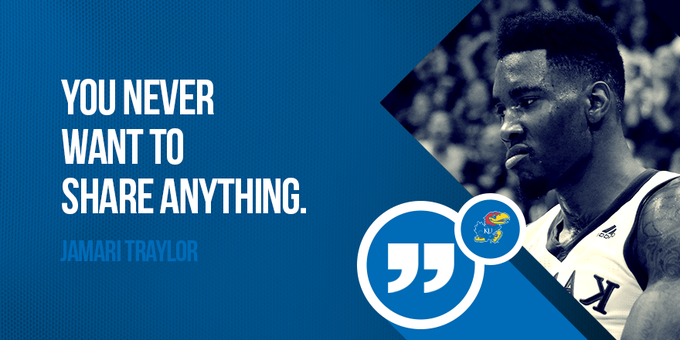
Working inside a major NCAA Division I athletics program means operating at an entirely different speed. Campaigns move quickly, deadlines are rarely flexible, and creative work must support multiple departments simultaneously.
At KU, the creative team worked closely with:
- Communications and media relations
- Marketing and fan engagement
- Recruiting teams
- Ticket sales and development
- Donor and alumni relations
All while maintaining the expectations of fans, donors, alumni, and student-athletes across the Jayhawk community.
The experience reinforced a core truth about sports marketing:
Great creative work connects people to something bigger than the game itself.
Supporting the KU Athletics Ecosystem
While my team produced creative campaigns for all 18 varsity sports at the University of Kansas, the work extended far beyond individual teams.
I collaborated with several key entities within the KU Athletics community, including:
- The Williams Education Fund – supporting donor engagement and fundraising communications
- K Club – celebrating and engaging former student-athletes
- KU Leads – leadership development programs for student-athletes
- KU Alumni Association – connecting Jayhawk alumni with athletics initiatives
- Student-Athlete Advisory Committee (SAAC)
- KU Rock Chalk Dancers
Each of these organizations served a unique role in the broader Jayhawk experience, and the creative work needed to reflect that.
Some projects focused on tradition and legacy, while others emphasized student-athlete development, leadership, or fan engagement. The challenge—and the opportunity—was ensuring every campaign felt aligned with the larger KU Athletics brand.
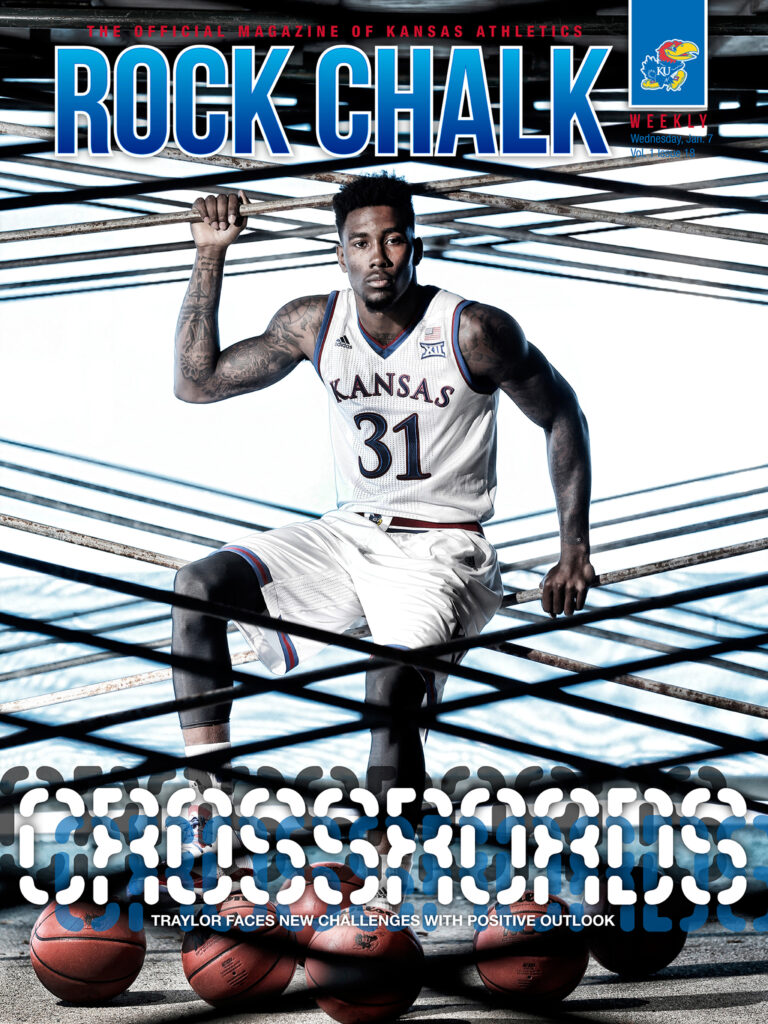
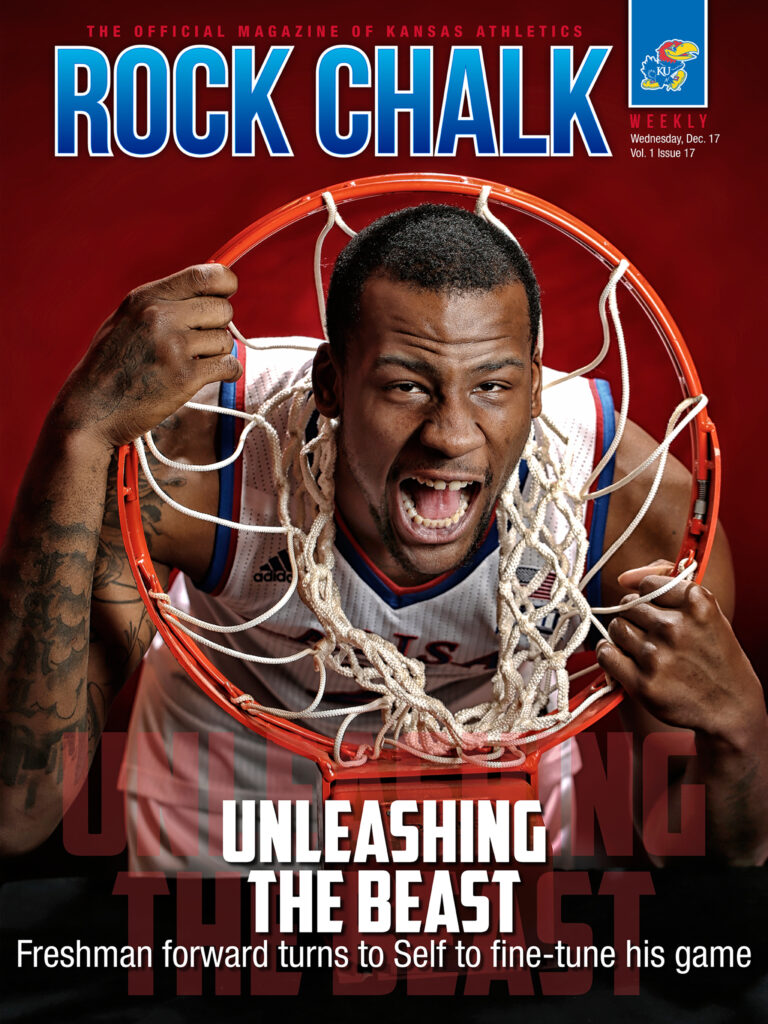
Launching Rock Chalk Weekly: KU Athletics’ First Digital Magazine
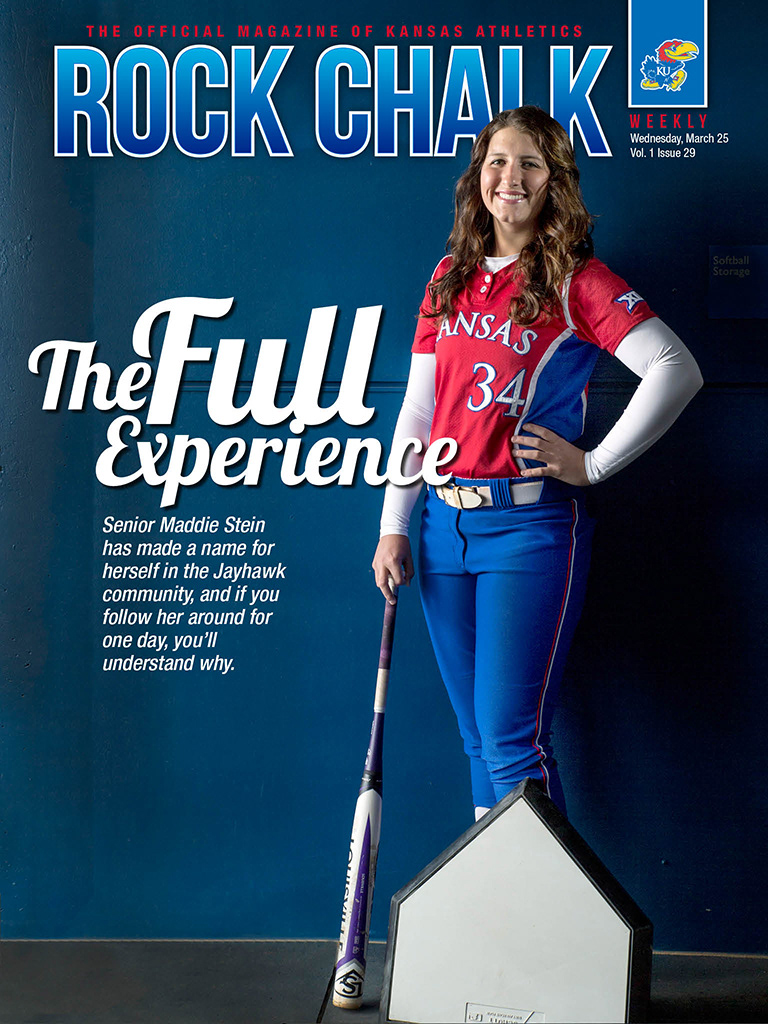
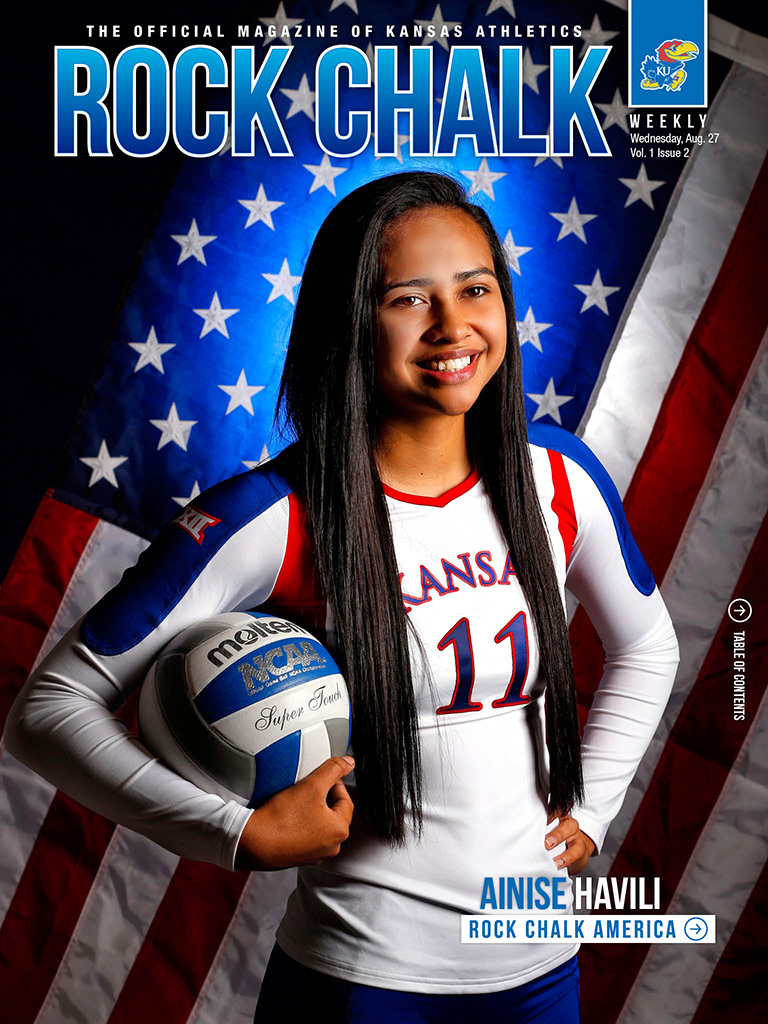
One of the projects I’m most proud of was leading the concept, design, and execution of Rock Chalk Weekly, the first digital magazine created for KU Athletics.
The project began with a simple idea:
create a storytelling platform that allowed fans and donors to go deeper than scores and highlights.
From the initial concept to final launch, I worked across departments to:
- develop the editorial vision
- design the digital experience
- coordinate internal approvals
- navigate the technical requirements for a mobile-app supported publication
Launching the platform required collaboration across multiple teams and a strong internal champion network.
But the result was worth it.
Rock Chalk Weekly became more than a publication—it became a storytelling platform that highlighted the people behind Kansas Athletics.
It helped connect fans, alumni, and donors to the real stories of the athletes, coaches, and programs they supported.
And it reinforced something I learned quickly while working in college athletics:
People don’t just support teams.
They support stories.
Building Structure in a Fast-Moving Creative Environment
Another key part of my role was bringing structure to a high-volume creative environment.
With dozens of campaigns, multiple sports seasons, and constant marketing requests, the creative team needed systems that allowed us to move quickly without sacrificing quality.
I helped implement project management tools and creative workflows that allowed the team to:
- track incoming requests
- prioritize high-impact projects
- maintain brand consistency across departments
- improve collaboration between marketing, communications, and development teams
These systems helped our team deliver creative work faster while keeping everyone aligned—even when priorities changed daily.
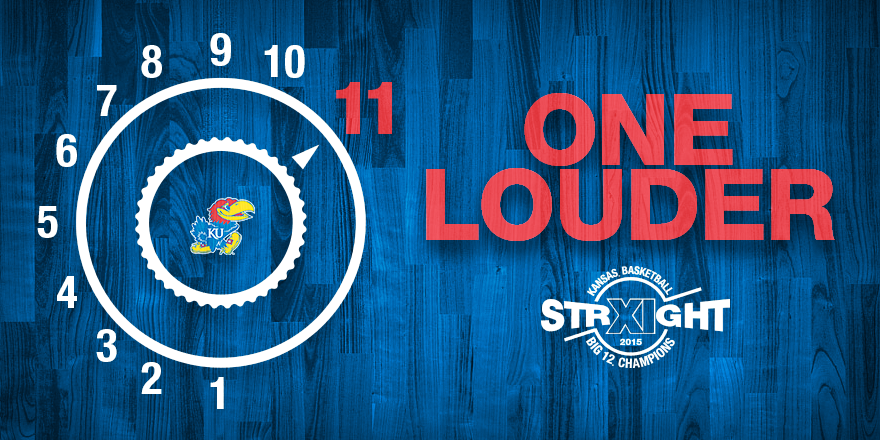
What College Athletics Taught Me About Storytelling
What surprised me most about working in college athletics was the emotional connection people have to their teams.
Fans and donors care deeply about their programs.
Every visual, campaign, and message has the potential to strengthen that connection.
That means creative work in athletics isn’t just about design—it’s about trust, loyalty, and community identity.
It’s also why storytelling plays such a powerful role in sports marketing.
When done well, storytelling:
- deepens fan engagement
- strengthens donor relationships
- builds long-term program loyalty
- reinforces institutional pride
These lessons continue to influence the way I approach design and strategy today.
The Lesson I Carry Forward
The biggest takeaway from my time at KU Athletics is simple:
Great design is never just about aesthetics.
It’s about:
- clarity
- alignment
- storytelling
- and human connection
When organizations communicate who they are and why they matter, people respond.
Bringing That Experience to Businesses and Nonprofits
Today, through JBerra Consulting & Design, I help businesses and nonprofits apply those same principles.
Whether I’m developing a brand identity, website, campaign, or content strategy, the goal is always the same:
Create design and messaging that connects organizations with the people they serve.
Because no matter the industry—from athletics to small business—the organizations that grow are the ones that build authentic relationships with their audiences.
If you’re a business, nonprofit, or organization looking to strengthen your brand, clarify your message, or build a stronger connection with your audience, I’d love to help.
At JBerra Consulting & Design, I partner with organizations to create strategic branding, websites, and marketing campaigns designed to help you grow.
Explore my work or start a conversation:
👉 https://jberraconsulting.com
Let’s build something meaningful together.
Leave a Reply