There’s a common misconception about designers.
That we’re “creative types.”
That we sit around waiting for inspiration to strike.
That what we do is subjective… maybe even a little arbitrary.
And I get it. From the outside, it can look that way.
But the truth is—design is much closer to programming than it is to pure art.

What I Learned Early On
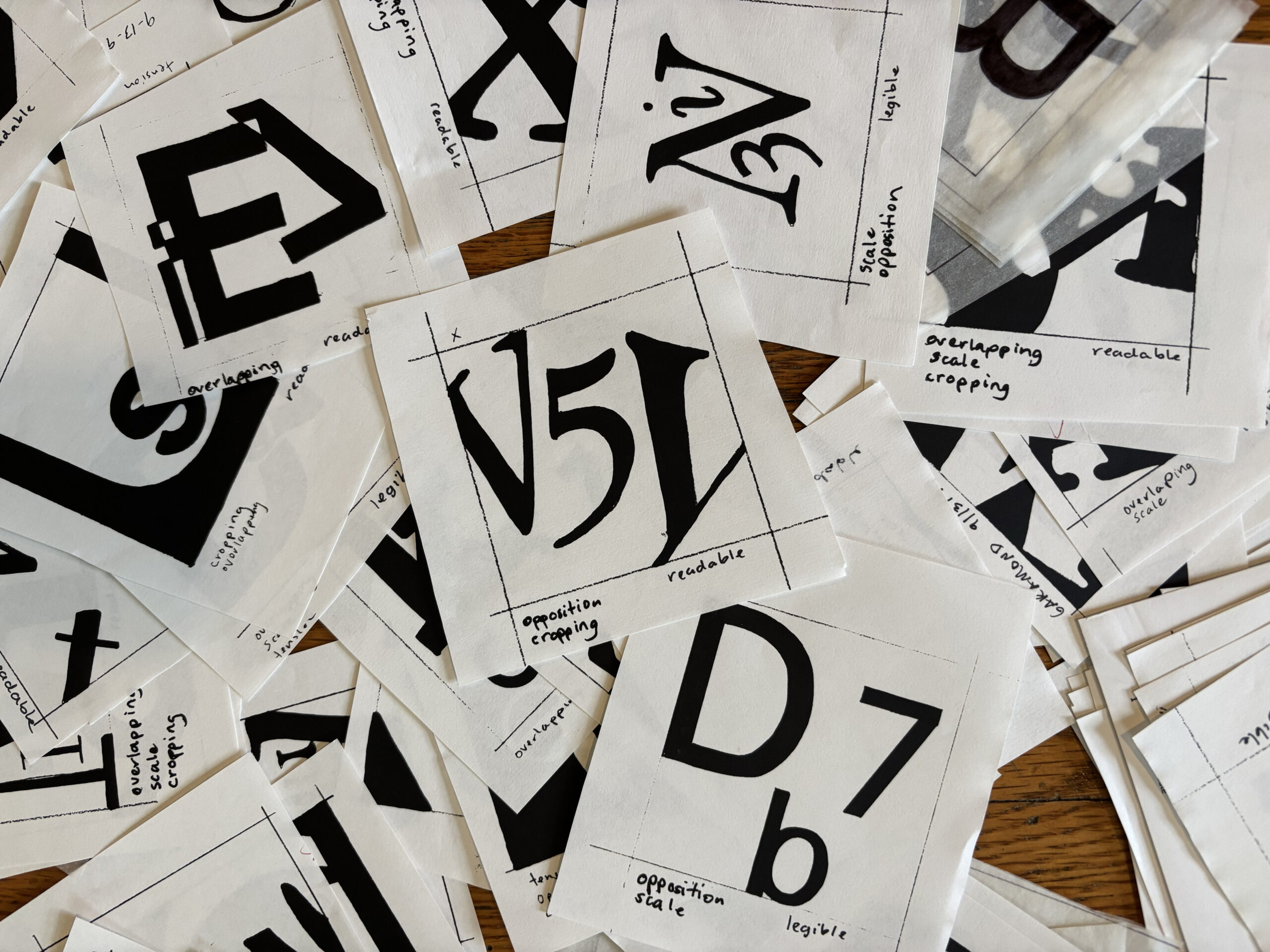
When I was studying design at the University of Kansas, I thought I was there to become more creative.
What I actually learned was how to think.
How to take something subjective and make it structured.
How to defend decisions.
How to design with intention—not just instinct.
That shift changed everything.
The System Behind the Work
Design isn’t random.
It’s built on principles, patterns, and frameworks that have been studied, tested, and refined for decades.
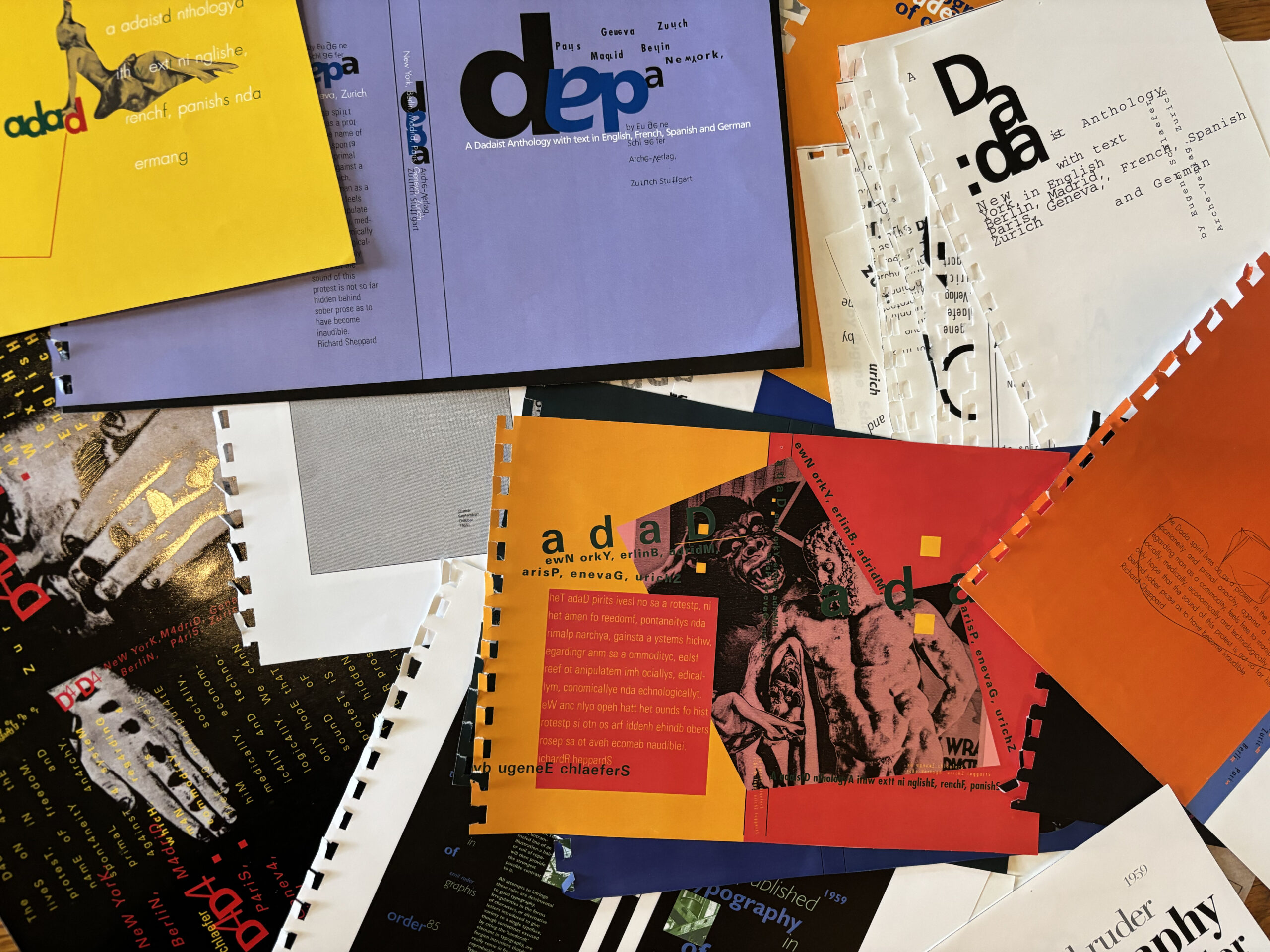
Think about the work of Paul Rand. His logos weren’t just visually appealing—they were distilled solutions to complex communication problems.
Or the bold, confrontational work of Barbara Kruger, where typography, contrast, and messaging are deliberately engineered to provoke thought.
And underpinning so much of what we do is Gestalt psychology—a set of principles that explain how humans naturally organize and interpret visual information.
These aren’t “vibes.”
They’re systems.
Designers Think More Like Programmers Than Artists
At its core, design is input → process → output.
You give us:
- A business goal
- A target audience
- A set of constraints
And we process that through:
- Visual hierarchy
- Color theory
- Typography systems
- UX patterns
- Behavioral psychology
What comes out isn’t decoration—it’s a solution.
Not unlike code.
A developer writes logic to produce a functional outcome.
A designer builds visual logic to produce a human outcome.
Where AI Fits In (And Where It Doesn’t)
Yes—AI can generate visuals.
And in some ways, it’s doing a version of what designers do:
absorbing inputs and producing outputs.
But here’s the difference:
AI doesn’t understand context.
It doesn’t navigate relationships.
It doesn’t sit across from a client and read between the lines of what they’re saying—and what they’re not.
Design isn’t just pattern recognition.
It’s interpretation.
It’s knowing when to follow the system—and when to break it.
The Part People Miss
The most important part of design isn’t the output.
It’s the relationship.
It’s the trust a client places in you to:
- Translate their ideas into something tangible
- Represent their business accurately
- Help them show up clearly in the world
That doesn’t come from a formula.
That comes from listening, experience, and care.
Design Is Both
So no—design isn’t just art.
And it’s not just a formula either.
It’s a system guided by human insight.
A balance of logic and intuition.
Structure and flexibility.
Data and empathy.
And that’s exactly why it matters.
Design Isn’t the Problem—Clarity Is
If your website, brand, or content isn’t working, it’s usually not because it needs to look better.
It’s because something underneath it isn’t clear yet.
That’s where I come in.
- Turn business goals into clear visual direction
- Build systems that guide how your brand communicates
- Create design that actually works—not just looks good
Because good design isn’t decoration—it’s decision-making made visible.
Leave a Reply